Reliable HVAC Contractor Services: Maintaining Your Home Comfortable Year-Round
A dependable HVAC contractor delivers essential assistance in maintaining a cozy home year-round. These experts guarantee that heating, ventilation, and air conditioning systems perform efficiently and effectively. Homeowners often overlook the importance of these operations until troubles surface. Understanding the cues that denote a want for skilled intervention can produce a notable difference. What should homeowners consider when deciding on the fitting contractor for their specifications?
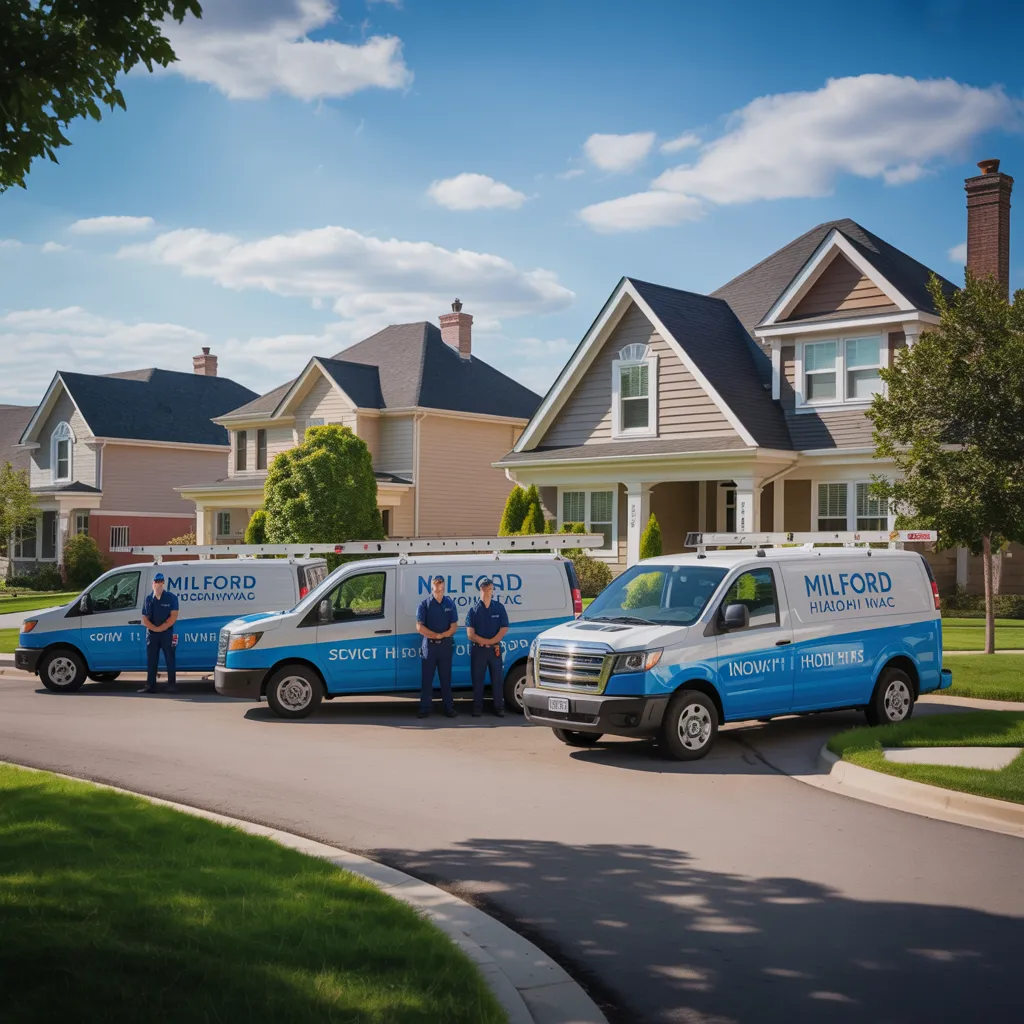
Why a Dependable HVAC Contractor Is Necessary
How vital is it to find a dependable HVAC contractor? The significance of a seasoned professional in heating, ventilation, and air conditioning cannot be overstated. A trustworthy contractor ensures that systems are correctly set up, maintained effectively, and addressed quickly. This dependability directly influences the comfort and safety of a home. With fluctuating temperatures, a functioning HVAC system is vital for indoor air quality and energy efficiency.
Opting for the right vendor lowers the risk of surprising failures and costly maintenance. A solid HVAC contractor will also supply expert direction on system preference and efficient alternatives, helping homeowners to formulate sound decisions. Scheduled servicing from a established expert increases the working life of the system and improves output. Accordingly, investing attention in finding a credible HVAC contractor is vital for keeping a comfortable domestic climate all year, ultimately contributing to the quality of life and satisfaction of the residence.
Clues You Need to Contact an HVAC Expert
Property owners may observe indicators suggesting the need for professional HVAC assistance. Strange sounds from the system and fluctuating climate management are frequently obvious signs of hidden problems. Detecting these warning signs ahead of time can forestall additional setbacks and expensive repairs.
Odd Sounds Originating From System
Unusual noises emanating from an HVAC system can indicate underlying issues that demand prompt attention. Common noises, such as rattling, grinding, or hissing, may indicate loose components, mechanical wear, or refrigerant leaks. A persistent clanking noise could point to a malfunctioning fan or motor, while squealing might point to belt problems. Ignoring these noises can lead to more significant damage and costly repairs. Homeowners should not attempt to diagnose or fix these issues themselves, as doing so can exacerbate the problem. Instead, contacting a qualified HVAC professional is essential for a thorough inspection and appropriate resolution. Timely intervention can restore system efficiency and maintain a comfortable indoor environment.
Fluctuating Temperature Regulation
How much more frustrating can an HVAC system be when it fails to maintain a consistent temperature? Homeowners regularly suffer from swinging temperatures, producing discomfort and mounting energy costs. This problem can stem from multiple issues, such as a malfunctioning thermostat, subpar insulation, or blocked ducts. If particular rooms feel considerably different compared to others, it may indicate hidden problems requiring professional assessment. Surging energy bills may also signal system inefficiencies, spurring deeper scrutiny. Ignoring these warnings can cause additional complications and expensive repairs. As a result, when struggling with inconsistent temperature control, it is sensible to consult an HVAC professional to restore comfort and efficiency in the home.
Necessary HVAC Options for House Owners
Property owners must assess the essential HVAC services to preserve the performance and durability of their equipment. Preventive maintenance approaches, system installations that are efficient, and rapid emergency repairs are important factors that contribute to optimal performance. Comprehending these options can help property owners to take informed decisions about their HVAC needs.
Proactive Maintenance Plans
Carrying out scheduled maintenance programs is vital for achieving peak performance and long life of HVAC systems. These programs usually involve routine inspections, cleaning, and adjustments, which assist in identifying potential problems before they worsen into costly repairs. By scheduling periodic check-ups, homeowners can boost energy efficiency, cutting utility bills while improving indoor air quality. Technicians typically check refrigerant levels, inspect ductwork, and clean filters to keep optimal performance. Moreover, preventive maintenance can extend the lifespan of HVAC equipment, offering peace of mind and decreasing the risk of unexpected breakdowns. Homeowners who use these plans not only enjoy improved comfort but also protect their investment in the system, guaranteeing dependable operation year-round.
Fast and Efficient System Installations
A refined system installation plays an important role in strengthening HVAC efficiency and conservation. Skillfully installed HVAC systems deliver excellent airflow, slashing energy use and trimming utility bills. Professionals assess the distinct needs of each home, determining equipment that fits size specifications and local climate conditions. They also verify that ductwork is sealed and insulated, preventing energy loss. Sophisticated technologies, such as smart thermostats, can be installed during setup for improved control and efficiency. Furthermore, honoring manufacturer guidelines and local building codes during installation ensures consistent performance and longevity of the system. At the end of the day, homeowners profit from superior comfort and a reduced environmental footprint when making an investment in efficient HVAC installations.
Prompt Emergency Maintenance
Confronting a sudden HVAC failure can be difficult, particularly during extreme weather conditions. Homeowners rely heavily on their air conditioning systems for comfort, making immediate urgent services crucial. Prompt response times from HVAC contractors can avoid additional damage and recover functionality, easing unease.
These professionals are trained to diagnose issues efficiently, whether it's a malfunctioning furnace in winter or a faulty cooling unit in summer. Their knowledge ensures that repairs are done correctly the first time, reducing service interruptions. Additionally, many service providers offer round-the-clock support, providing peace of mind for homeowners. By prioritizing timely emergency repairs, homeowners can keep consistent home comfort and safeguard their assets in HVAC systems.
Selecting the Perfect HVAC Contractor: Key Tips
How can homeowners guarantee they choose the best HVAC contractor for their needs? First, researching credentials is essential. Property owners should confirm permits, insurance, and credentials to confirm the contractor meets professional requirements. Reading online reviews and seeking recommendations from friends or family can offer information into a contractor's standing.
Subsequently, acquiring multiple quotes enables homeowners to compare pricing and services. It is essential to ask about warranties and guarantees, as quality control can indicate the contractor's confidence in their work. Additionally, examining the contractor's experience with specific HVAC systems can be helpful for specialized needs.
Communication remains essential; a reliable contractor will spend effort to outline choices and respond to concerns transparently. Ultimately, picking a contractor featuring clear cost structures and without hidden fees can help prevent surprising costs. By implementing these suggestions, homeowners can make smart choices and verify their HVAC systems are in expert care.
Why Regular HVAC Service Matters
Scheduled HVAC maintenance represents a fundamental requirement for ensuring system efficiency and longevity. By organizing standard assessments, residents can uncover and address potential difficulties before they escalate into costly restoration work. This forward-looking strategy strengthens system performance and also optimizes energy consumption, leading to lower energy bills.
In addition, routine maintenance helps improve air quality in your home by confirming that filters are kept clean and components operate correctly. A well-maintained system operates silently and reduces the probability of sudden malfunctions during severe weather situations.
Additionally, numerous suppliers require evidence of consistent maintenance to preserve warranty coverage, protecting the homeowner's asset. By prioritizing HVAC maintenance, consumers can enjoy a cozy residential environment all year long while extending the lifespan of their heating and cooling systems. Ultimately, this diligence contributes to both comfort and savings on expenses eventually.
What You Need to Know About HVAC Systems
Understanding HVAC systems is vital for homeowners seeking efficient temperature management and comfort in their homes. HVAC, which means heating, ventilation, and air conditioning, includes multiple parts that collaborate to control indoor heat levels and air quality. Important components include the furnace, air conditioner, ductwork, and thermostats, each playing an crucial role in preserving a pleasant setting.
Homeowners should consider the dimensions and capacity of their HVAC system to guarantee peak performance; an too large or undersized unit can lead to reduced efficiency. Regularly changing filters and scheduling professional inspections can avoid breakdowns and extend the system's lifespan.
Furthermore, grasping energy performance metrics, such as SEER for air conditioners and AFUE for furnaces, can assist homeowners make informed decisions discover details on when purchasing or upgrading systems. Knowledge of these factors leads to a more comfortable, energy-efficient home environment.
How Reliable HVAC Solutions Reduce Your Expenses
Investing in sturdy HVAC support can greatly reduce enduring expenses for homeowners. Routine care and prompt repairs promise that HVAC systems run smoothly, which can substantially decrease energy bills. When systems are well-maintained, they perform at top performance, minimizing energy waste and extending the lifespan of the equipment.
Additionally, reputable service providers frequently offer assurances and coverage on their work, ensuring confidence and monetary security against upcoming issues. By handling minor problems before they intensify, homeowners can sidestep costly urgent maintenance that often come from disregard.
Additionally, energy-efficient upgrades recommended by trustworthy HVAC professionals can result in substantial savings over time. These improvements not only improve comfort but also support a reduced carbon output. In sum, partnering with reliable HVAC services is a strategic decision that ultimately yields monetary rewards while maintaining a comfortable living environment year-round.
Often Asked Questions
In What Ways Can I strengthen My HVAC System's performance efficiency?
Improving HVAC system energy efficiency involves routine upkeep, sealing ducts, upgrading to a programmable thermostat, using energy-efficient filters, and ensuring adequate insulation. These measures collectively enhance performance, lower energy usage, and lower utility costs.
What Prevalent HVAC System Misconceptions Do You Need to Avoid?
Common HVAC myths to steer clear of include thinking that larger systems are always superior, that regular maintenance isn't required, and that shutting vents enhances performance. Understanding these false beliefs can lead to improved operation and lower energy costs.
How Regularly Do I Need to Swap Out My HVAC Filters?
HVAC filters should commonly be replaced every one to three months, contingent on usage and filter type. Consistent care ensures peak system performance, improves air quality, and prolongs the lifespan of the HVAC unit.
How Long Does an HVAC System Continue working?
An HVAC system often lasts between 15 to 25 years, contingent on factors like usage, maintenance, and quality of installation. Regular upkeep can increase its lifespan, while disregard may lead to premature failure.
Is installing an HVAC System something I can do myself?
Installing an HVAC system on your own is feasible for knowledgeable individuals, yet it poses significant risks. Proper installation demands specialized knowledge to ensure efficiency and safety, making expert help a recommended choice for maximum efficiency and compliance with regulations.